
"Ecuadorian coffee regions"
400 article(s) found

Introduction of planting Flavor in Galapagos, Ecuador
Following Cafe (official Wechat account vdailycom) found that Beautiful Cafe opened a small shop of its own Ecuador is the highest Arabica coffee plantation in the world. Since the coffee tree was first introduced into Ecuador in 1875, the quality of its coffee has remained unchanged for 100 years, especially the coffee harvested in early June every year, which is known as the best coffee in the world. Ecuadorian coffee

Introduction to the Cultural Manor of the Flavor description of High-quality Coffee beans in the Coffee producing area of Ecuador
The minerals are mainly oil, mainly distributed in Guayaquil Bay, and oil fields are also found in the Amazon Plain. Gold and silver are distributed in Machaki and Saluma and other places. Copper is made in Machaki. There are sulfur mines in the Cologne Islands. In addition, there is iron, lead and so on. The forest area accounts for about 68% of the country's area, mostly in the eastern region, rich in valuable wood, such as mahogany and ointment.
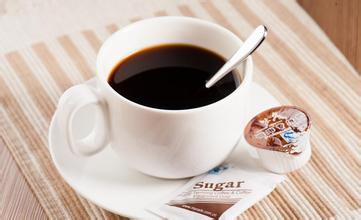
Medium mellow Hasunda Coffee Garden in Ecuador Flavor description characteristics of Grinding degree introduction of varieties in producing areas
Ecuador is the highest Arabian coffee plantation in the world. Since the coffee tree was first introduced into Ecuador in 1875, the quality of its coffee has remained unchanged for 100 years, especially the coffee harvested in early June every year, which is known as the best coffee in the world. Ecuadorian coffee beans are divided into Galapagos and Segante, both of which have large particles and heavy weight.

Introduction to the planting environment price variety producing area of Ecuadorian coffee grindability treatment
Guatemala is located in the tropics, the northern and eastern coastal plains have a tropical rain forest climate, the southern mountains have a subtropical climate, the year is divided into two dry and wet seasons, with the wet season from May to October and the dry season from November to April of the following year. The narrow and fertile flatlands on the Pacific side of Guatemala have a tropical climate. The central plateau is also the cultural center of Guatemala, where the year-round temperature ranges from 1300 to 1800 meters.

Introduction to the characteristics of Flavor Flavor Coffee beans in the Coffee Variety producing area of Hassanda Coffee Garden in Ecuador
Ecuador is divided into the western coast, the central mountains, the eastern Amazon River basin and the four central regions of the Galapagos Islands, with diverse climatic conditions. The western coastal plain belongs to the tropical rain forest climate, with an average temperature of 23-25 ℃. The central Andes. The intermountain basin in this area belongs to the savanna climate, and the mountain belongs to the subtropical forest climate, with perennial snow above 4000 meters above sea level. Annual average decline
Twelve famous premium coffee producing regions of Galapagos
In 1875, Manuel J. Cobos, an indigenous Ecuadorian, began growing arabic bourbon coffee trees on Hacienda El Cafetal in San Cristobal. Coffee growing in the Galapagos Islands: Coffee is grown in Saint Cristobal. Hacienda El Cafetal in San Cristobal

The second China Fushan Cup International barista Championship starts in Hainan
The referee is watching the contestants make coffee on June 9. Xinhua News Agency reporter Guo Cheng, Xinhua News Agency, Hainan Channel, June 9 (Zhang Xiaohui) on the morning of June 9, the second China Fushan Cup International barista Championship solemnly kicked off in Chengmai, Hainan. 24 national champions from many countries and regions tried their best to compete for the honor of Fushan Cup barista championship. In Fukuyama coffee

Nicaraguan Coffee Bean Flavor description _ Nicaraguan Coffee production Story _ Nicaraguan Coffee drinking method
Professional coffee knowledge exchange more coffee bean information please follow the coffee workshop (Wechat official account cafe_style) Ecuadorian coffee potential, the output of coffee with exotic flavor, quality is also recommended, but at present the biggest problem is production, Ecuador's annual coffee exports, only 100 containers (1 container = 40, 000 pounds) of washed Arabica coffee

Santa Cruz Manor Coffee Variety Flavor Description Producing Area Features Boutique Coffee Bean Introduction
Ecuador is at the center of the world, which is why Ecuador is known as the equatorial country, and Ecuador's top coffee is also known for its superior geographical location. Two hours east of Quito, Ecuador's capital, you can drive to tropical jungle areas and west to the sea. Ecuador is one of the most diverse countries in the world. In any direction you are

Introduction to the characteristics of coffee flavor and taste in the fragrant Santa Cruz Manor of Ecuador
The Republic of Ecuador is located in northwestern South America. It is bordered by Colombia in the northeast, Peru in the southeast and the Pacific Ocean in the west. It covers an area of 256370 square kilometers and the coastline is about 930km long. The equator runs through the north of the border, and Ecuador means the Spanish equator. Ecuador is divided into the western coast, the central mountains, the eastern Amazon River basin and the four central regions of the Galapagos Islands.

Introduction of Ecuadorian boutique coffee beans Galapagos coffee flavor and taste manor
When looking for information, I was deeply attracted by the beautiful scenery of the Galapagos Islands. Scientists have verified that there are more than 700 kinds of ground animals, more than 80 species of birds and many insects living on the island. Darwin visited the island. I got the insight from it and created the Theory of Evolution. On this island, known as the living Museum of Biological Evolution and showroom, we can

Description of Coffee Flavor in Santa Cruz Manor, Ecuador; introduction to the characteristics of fine coffee
The minerals are mainly oil, mainly distributed in Guayaquil Bay, and oil fields are also found in the Amazon Plain. Gold and silver are distributed in Machaki and Saluma and other places. Copper is made in Machaki. There are sulfur mines in the Cologne Islands. In addition, there is iron, lead and so on. The forest area accounts for about 68% of the country's area, mostly in the eastern region, rich in valuable wood, such as mahogany and ointment.

Ecuador Coffee Region Manor Introduction Boutique Coffee Bean Santa Cruz Manor Galapagos Islands
The best Ecuadorian coffee is grown on San Cristobal Island in the Galapagos Islands, where natural conditions are unique to the best coffee houses in the world. A cup of Galapagos coffee, like the beautiful scenery of the Galapagos Islands, is sure to impress you. Midstream fishermen fishing in the Pacific Ocean off western South America in the mid-15th century

Flavor characteristics of Historical stories about the cultivation of Gigante Higante Coffee in Ecuador
For more information on coffee beans, please follow the coffee workshop (official Wechat account cafe_style) between Colombia and Peru, Ecuador, which passes through the equator, is one of the few countries in South America that produces both Arabica and robusta coffee. In fact, Ecuador means the Spanish equator. Due to the use of old-fashioned traditional collection

Ecuador Hasenda Manor coffee production area introduction Hasenda Manor coffee beans elevation
Professional barista exchange please pay attention to coffee workshop (Weixin Official Accounts cafe_style ) Ecuador Hasenda Manor coffee production area introduction Hasenda Manor coffee beans altitude harvest: June September and December February variety: Bourbon coffee treasures from the hometown of giant turtles, this coffee treasure, excellent quality, planting without the use of any chemicals. Coffee growing in San Cristobal

Ecuador Coffee Plantation Flavor Taste Introduction Santa Cruz Plantation
Famous brand in South America, Ecuadorian A-class coffee, with state-owned large-scale seed garden;100% produced from 1300-2000 meters of natural vegetation in the highlands, popular in Europe and America, to taste the exquisite world-class Arabica Arabica flavor at supermarket prices. ES coffee is a clean organic coffee grown on the slopes of the Latin American Andes. It's 100% pure coffee, and through hard work

Flavor characteristics of Coffee cultivation in Galapagos Galapagos Islands in Ecuador
Professional coffee knowledge exchange more coffee bean information please follow coffee workshop (Wechat official account cafe_style) Ecuador Ecuadorian population: 15224000 Ecuadorian coffee in the boutique coffee industry, although low-lying areas are unlikely to produce good coffee, but higher areas have great potential. GALAPAGOS Galapagos Islands GALAP

Ecuador coffee estate producing area flavor taste characteristics boutique coffee beans introduction
The country is divided into three parts: the western coastal area, the central mountainous area and the eastern area. Map of Ecuador Map of Ecuador Western coast: including coastal plains and foothills, east high west low, generally below 200 meters above sea level, there are some hills and low mountains 600~700 meters above sea level. Tropical rain forest climate, the southernmost start to transition to a savanna climate. Average annual precipitation from north to south 3
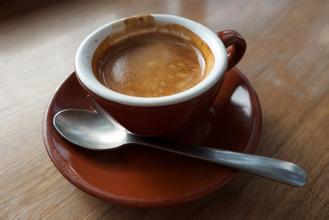
Ecuador coffee varieties producing area flavor boutique coffee beans taste introduction
Flavor: balanced acidity, rich aroma Roasting: medium to deep roasting, good blend, versatile Evaluation: average Ecuadorian giant turtle coffee beans Coffee treasures from the giant turtle's homeland The best Ecuadorian coffee is grown on San Cristobal Island in the Galapagos Islands, where some of the best coffee in the world is bred

San Cristobal, Ecuador Coffee Region Introduction Santa Cruz Manor Coffee Manor
Ecuadorian coffee is grown on San Cristobal Island in the Galapagos Archipelago, which has unique natural geographical conditions to breed the best coffee in the world. A cup of Galapagos coffee, like the beautiful scenery of the Galapagos Islands, is sure to impress you. In the mid-15th century, fishermen fishing in the Pacific Ocean in western South America circulated a